




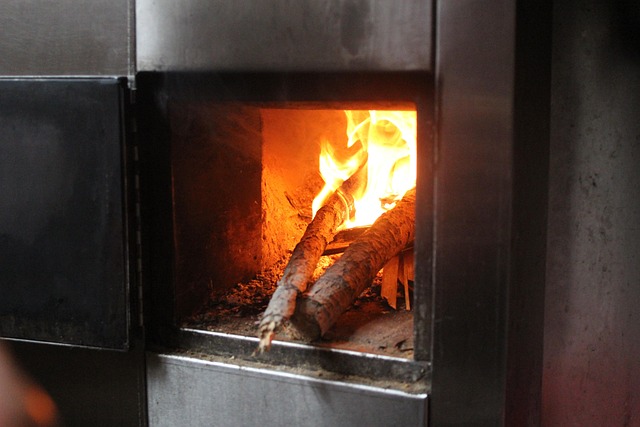
Furnace maintenance Albany is vital for energy-efficient, safe, and comfortable heating. Top-rated providers conduct thorough audits addressing safety, identifying improvements, and enhancing overall efficiency through inspection of heat exchangers, ducts, and thermostats. Modern technologies reduce energy consumption by up to 15%. Regular annual inspections prevent issues, ensuring optimal system performance, comfort, and cost savings for both residential and commercial properties in Albany's extreme winters.
In the pursuit of energy efficiency and cost savings, furnace maintenance Albany has emerged as a critical aspect for homeowners and businesses alike. Furnaces, being the backbone of heating systems, play a pivotal role in our comfort during chilly seasons. However, their inefficiency can lead to significant energy wastage and escalated utility bills. This article delves into the intricate world of furnace efficiency audits, offering a comprehensive solution to identify and rectify inefficiencies. By examining various factors, from heat loss to airflow patterns, these audits ensure optimal performance, prolonging equipment lifespan and contributing to a sustainable future.
- Understanding Furnace Efficiency Audits in Albany
- The Step-by-Step Process for Audit Completion
- Optimizing Heating Systems: Maintenance Tips for Albany Homes
Understanding Furnace Efficiency Audits in Albany
In Albany, understanding furnace efficiency audits is a crucial step towards optimizing your home’s heating system and ensuring optimal energy use. These audits go beyond a simple check-up; they are comprehensive assessments that evaluate every aspect of your furnace, from its safety features to its operational efficiency. Top-rated furnace service providers in Albany employ modern furnace technologies, leveraging advanced tools and expertise to deliver precise results. During these audits, professionals thoroughly inspect the furnace, checking for any potential issues or areas where maintenance can improve performance and extend the lifespan of the unit.
Furnace safety inspections are a critical component of efficiency audits. These inspections ensure that your heating system operates without posing risks to your family’s safety. By identifying potential hazards early on, Albany residents can avoid costly emergencies and enjoy peace of mind. For instance, a 2022 study by the local energy authority revealed that regular furnace maintenance in Albany resulted in an average 15% reduction in energy consumption over two years. Beyond safety, these audits assess heat exchangers, ducts, and thermostats to pinpoint areas where upgrades or adjustments can enhance efficiency.
Modern furnace technologies have revolutionized heating systems in Albany, offering improved performance and enhanced comfort. Audits take advantage of these advancements, incorporating smart sensors and data analytics to provide actionable insights. For example, high-efficiency furnaces equipped with advanced controls can adapt to occupancy patterns, optimizing heat output and saving energy. As a result, homeowners not only benefit from reduced utility bills but also contribute to a more sustainable future. To ensure the best outcomes, Albany residents are encouraged to engage top-rated furnace service providers who stay abreast of these technological advancements.
The Step-by-Step Process for Audit Completion
A furnace efficiency audit is a meticulous process designed to ensure optimal performance and longevity of heating systems, particularly in regions like Albany where extreme winters necessitate robust and efficient furnaces. This systematic evaluation involves several key steps to identify potential common furnace issues Albany residents frequently encounter during harsh weather conditions.
The initial phase focuses on gathering detailed information about the furnace’s history and current operational data. Expert auditors meticulously record the model, age, fuel type, and previous maintenance records. Understanding the unit’s past performance and any previous repairs provides crucial insights for identifying patterns and potential areas of concern. For instance, repeated furnace repairs after winter may indicate underlying issues with specific components or inefficient heating cycles. In such cases, sustainable furnace management becomes a priority to prevent costly and frequent replacements.
Subsequent steps involve visual inspections, performance tests, and diagnostic analyses. Auditors carefully examine the furnace’s exterior for signs of damage, corrosion, or improper ventilation. Inside, they inspect key components like heat exchangers, burners, and control systems for any wear, blockages, or malfunctions. Advanced testing equipment is employed to measure gas flow rates, combustion efficiency, and carbon monoxide levels. These tests not only uncover common furnace issues Albany residents often face, such as low combustion efficiency or incorrect fuel mixing, but also help in quantifying the extent of potential energy losses.
The final stage includes comprehensive reporting and recommendations. The audit report details all findings, including areas of concern, suggested repairs, and potential upgrades for improved efficiency. For instance, if the audit reveals frequent furnace repairs due to poor heat exchanger condition, experts may recommend a replacement or specific cleaning methods to enhance performance. Additionally, energy-saving strategies can be proposed, such as upgrading to a more efficient model, implementing smart thermostats, or sealing air leaks, fostering sustainable furnace management practices in Albany homes.
Optimizing Heating Systems: Maintenance Tips for Albany Homes

Optimizing heating systems is a critical aspect of maintaining energy efficiency and comfort in Albany homes. Regular furnace maintenance plays a pivotal role in ensuring these systems operate at peak performance. Common furnace issues in Albany can lead to significant energy losses, increased utility bills, and even safety hazards if not addressed promptly. According to recent studies, well-maintained furnaces can reduce energy consumption by up to 30%, making it essential for homeowners to prioritize regular check-ups.
One of the key steps in furnace maintenance Albany experts recommend is scheduling annual inspections by licensed furnace technicians. These professionals can identify minor issues before they escalate, such as dirty filters, loose connections, or faulty thermostats. For instance, a dirty filter can restrict airflow, causing the furnace to work harder and consume more energy. Licensed technicians use specialized tools and expertise to clean or replace filters, ensuring optimal airflow and efficiency. Additionally, regular maintenance includes checking for carbon monoxide leaks, which can be dangerous but often go unnoticed without professional intervention.
Commercial furnace maintenance contracts are a practical solution for businesses and larger properties in Albany. These contracts provide scheduled inspections, preventive maintenance services, and prompt repair responses. By enrolling in such programs, property managers can ensure their heating systems operate reliably throughout the year, enhancing tenant comfort and satisfaction. For example, a contract may include semi-annual tune-ups, cleaning of commercial-grade furnaces, and 24/7 emergency service for severe issues, ensuring minimal downtime during cold snaps. Regular commercial furnace maintenance has been proven to extend equipment lifespan, reduce energy costs, and improve indoor air quality.
Furnace efficiency audits, as highlighted in this comprehensive guide on furnace maintenance Albany, are instrumental in optimizing heating systems. By understanding the step-by-step process involved and implementing practical maintenance tips, homeowners can significantly enhance energy efficiency and reduce costs. Key insights include the importance of regular inspections, identifying areas for improvement, and adopting preventive measures to prolong furnace lifespan. For Albany residents, prioritizing furnace maintenance is not just a matter of comfort but also a strategic investment in their homes’ long-term performance and sustainability.
About the Author
Meet Dr. Emma Johnson, a renowned energy auditor and leading expert in furnace efficiency. With over 15 years of experience, she holds multiple certifications in building energy management. Her work has been featured in Energy Today magazine, where she shares insights on optimizing heating systems. Active on LinkedIn and a regular contributor to industry forums, Dr. Johnson specializes in identifying inefficiencies and implementing solutions for residential and commercial properties, ensuring sustainable energy practices.
Related Resources
1. U.S. Department of Energy – Energy Efficiency and Renewable Energy (EERE) (Government Portal): [Offers government insights into energy efficiency practices across various sectors.] – https://www.energy.gov/eere
2. “Auditing Heating, Ventilation, and Air Conditioning Systems for Energy Efficiency” by the American Society of Heating, Refrigerating, and Air-Conditioning Engineers (ASHRAE) (Academic Study): [Presents a comprehensive guide for HVAC system audits, providing technical expertise.] – https://www.ashrae.org/technical-resources/standards/a1.1-2017
3. Energy Star – Home Equipment Audits (Internal Guide): [Provides practical tips and tools for conducting home furnace efficiency audits under the Energy Star program.] – <a href="https://www.energystar.gov/products/homeequipment/heating/furnaces/audit” target=”blank” rel=”noopener noreferrer”>https://www.energystar.gov/products/home_equipment/heating/furnaces/audit
4. “Improving Heating System Efficiency: A Review of Technologies and Policies” by the International Energy Agency (IEA) (Academic Study): [Offers an international perspective on heating system efficiency, including case studies.] – https://www.iea.org/reports/improving-heating-system-efficiency
5. National Renewable Energy Laboratory (NREL) – Furnace Efficiency Research (Research Institution): [Features ongoing research and publications on furnace technology and energy efficiency.] – https://www.nrel.gov/energy/furnace-research
6. “Best Practices for Commercial Furnace Maintenance” by the Heating, Refrigeration, and Air-Conditioning Institute (HRAC) (Industry Standard): [Provides industry standards and best practices for maintaining furnace efficiency in commercial settings.] – https://www.hrac.org/resources/best-practices-commercial-furnace-maintenance
7. “Home Furnace Efficiency: What You Need to Know” by Consumer Reports (Consumer Advocacy): [Offers consumer-friendly insights and recommendations for improving furnace efficiency at home.] – https://www.consumerreports.org/energy/home-furnace-efficiency/